



Plasma Cladding vs Laser Cladding: Which Is Better for Industrial Surface Repair?
When comparing plasma cladding vs laser cladding, many industrial users want to understand which technology offers better performance, cost efficiency, and durability. Both are widely used in surface engineering, but each has unique advantages depending on the application.
At FNS Pipeline Technology Co., Ltd., both technologies are applied based on real project requirements to achieve optimal results.
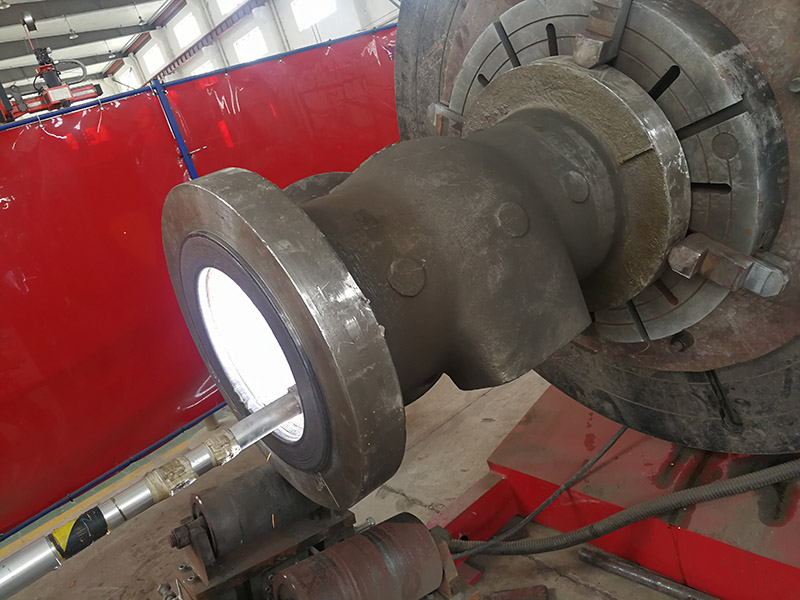
Plasma hardfacing process applied to valve sealing surface for wear and corrosion resistance
What is Plasma Cladding?
👉 plasma cladding technology uses a plasma arc to melt alloy powder and deposit it onto a substrate.
Advantages
- High efficiency for large surfaces
- Cost-effective
- Thick coating capability
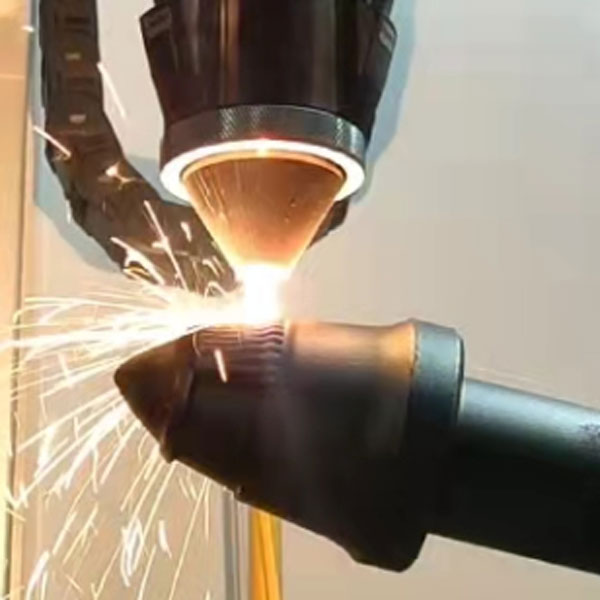
Laser cladding repair process for mining cutter pick surface strengthening
What is Laser Cladding?
👉 Laser cladding is ideal for precision applications such as laser cladding for bearing housing inner bore.
Advantages
- High precision
- Minimal heat input
- Fine microstructure
Key Differences
| Feature | Plasma Cladding | Laser Cladding |
|---|---|---|
| Precision | Medium | Very High |
| Cost | Lower | Higher |
| Application | Large parts | Precision parts |
FNS Project Case
Project: Mining Equipment Wear Protection
Solution: Plasma cladding for large-area reinforcement
Results
- Wear resistance significantly improved
- Maintenance cycle extended
- Cost reduced compared to laser solution
👉 For precision repair cases, see inner bore repair methods comparison
How to Choose the Right Technology
- Choose plasma for large surfaces
- Choose laser for precision components
👉 For failure-related decisions, read bearing housing failure analysis


