


-
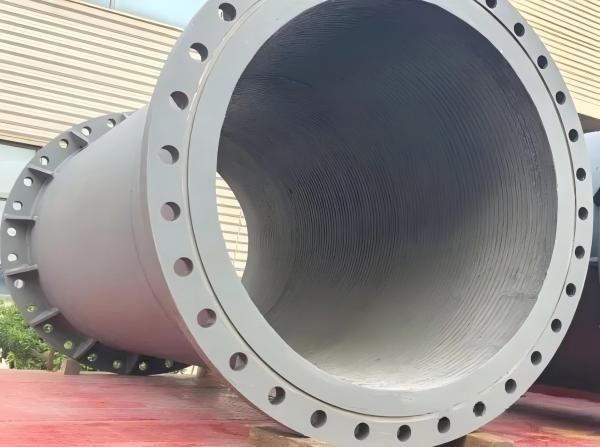
Wear Resistant Dredging Pipes for Port, Harbor and Deep-Sea Reclamation Projects
Port dredging, sediment transport and land reclamation place severe demands on pipeline systems. Wear resistant dredging pipes must withstand continuous abrasion from sand, gravel, crushed shell [...]10.26.2026 -
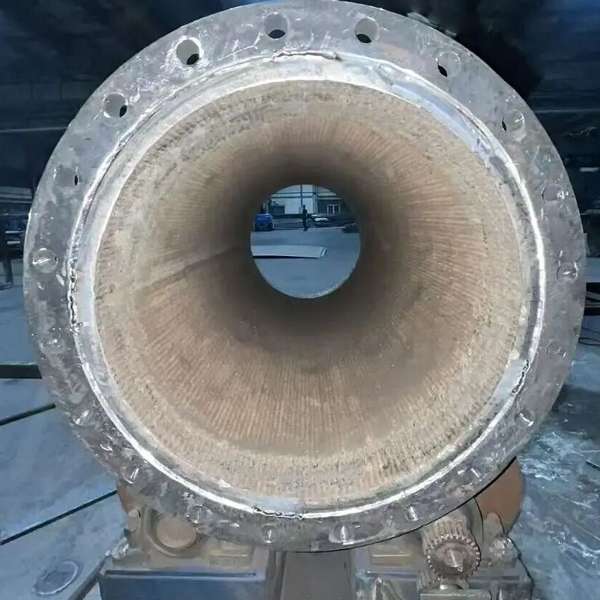
High Temperature Wear Resistant Pipe for Direct Reduced Iron Conveying
In direct reduced iron (DRI) conveying systems, pipework must withstand continuous material abrasion, reducing gas corrosion and demanding operating temperatures of up to 1000°C while maintainin [...]10.21.2026 -
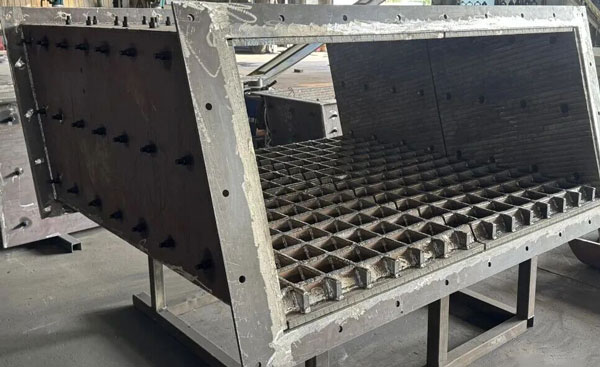
Custom Underground Ore Unloading Hopper with Three-Layer Wear Protection
In underground mining, an underground ore unloading hopper can face three persistent problems: rapid wear, material build-up and frequent replacement of wear parts. Heavy ore repeatedly falls in [...]10.08.2026 -
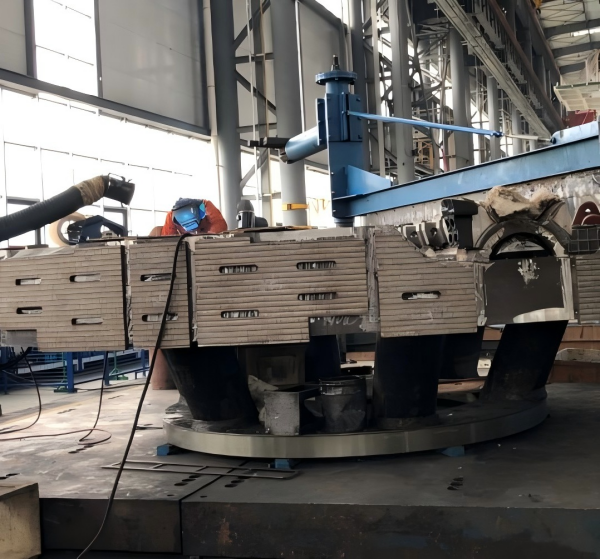
Chromium Carbide Hardfacing Wear Plate for Tunneling Equipment
Long-distance tunnel boring and underground excavation expose equipment to continuous contact with sand, gravel, rock and excavated soil. Chromium carbide hardfacing wear plate provides a target [...]09.20.2026 -
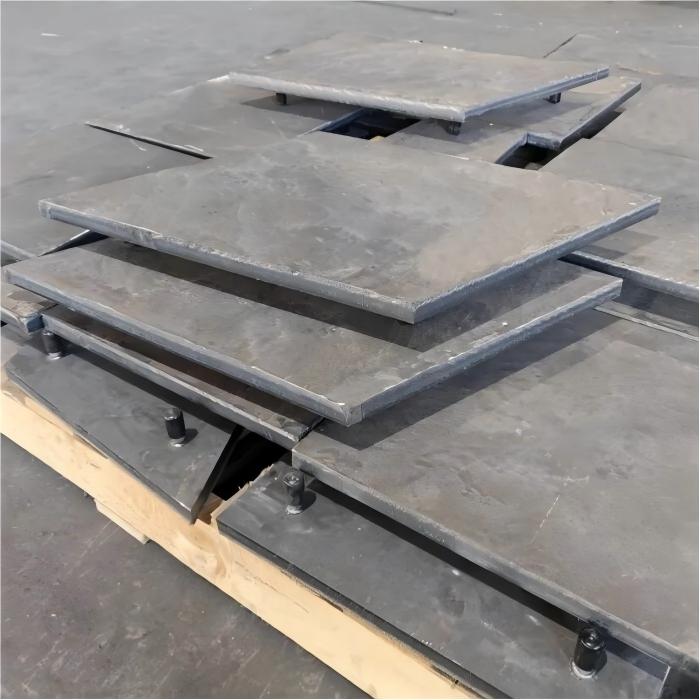
Smooth, Weld-Bead-Free Wear Plate for Mining Chutes: A Practical Solution to Material Build-Up
Smooth wear plate for mining chutes addresses an often-overlooked cause of material build-up: the surface condition of the liner itself. In mining transfer systems, wet, fine and sticky ores are [...]09.15.2026 -
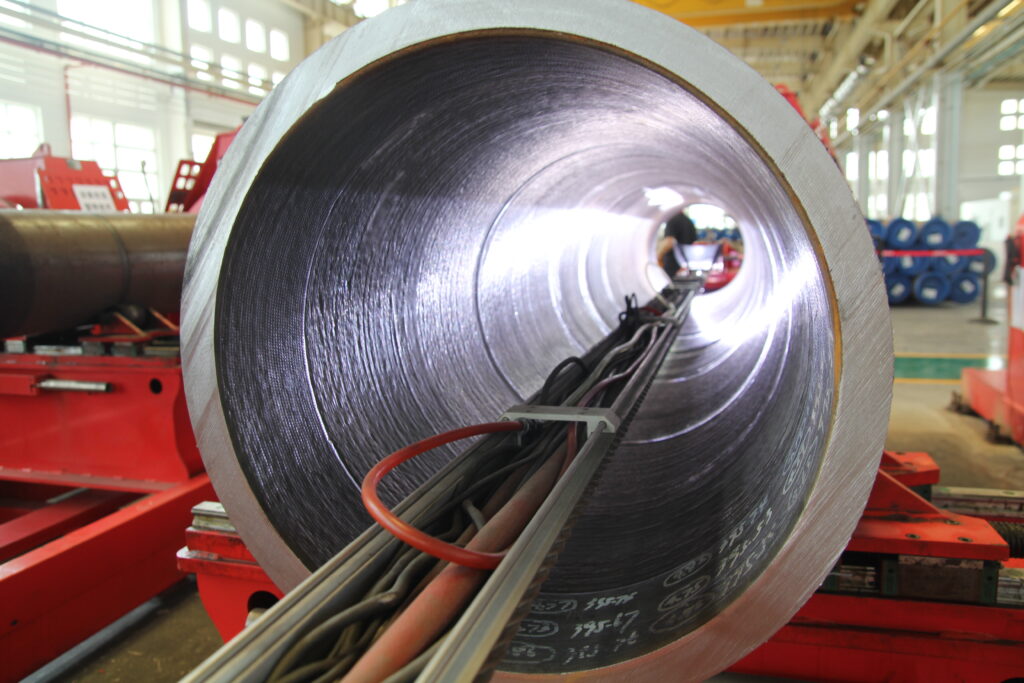
Bimetallic Wear-Resistant Steel Pipe for Severe Abrasive Slurry and Solid Particle Transport
In mining, power generation, metallurgy, and chemical processing, pipelines carrying solid particles, slurry, ash, and slag are exposed to continuous abrasion and impact. A bimetallic wear-resis [...]09.07.2026 -

FNS Pipeline Technology to Present Advanced Overlay Welding Solutions at Tube China 2026
FNS Pipeline Technology Co., Ltd. will present its latest surface engineering and cladding technologies at The 12th All China – International Tube & Pipe Industry Trade Fair (Tube Chin [...]08.26.2026 -

Chromium-Tungsten Carbide Hardfaced Wear Plates for Mining Equipment: Extending Service Life Under Severe Impact
Mining equipment operates under some of the most demanding wear conditions in heavy industry. Excavator buckets, loader components, dump truck bodies and dozer blades are continuously exposed to [...]08.18.2026 -

Wear-Resistant Pipes for Copper Ore Slurry Conveying: Extending Pipeline Life in Severe Mining Conditions
In copper mining operations, wear-resistant pipes for copper ore conveying can make a major difference to production reliability and maintenance costs. High-velocity copper ore powder continuous [...]08.17.2026 -

High-Temperature Wear-Resistant Clad Pipes for DRI/HBI Conveying: A Solution for 650–850°C Service
Direct Reduced Iron (DRI) and Hot Briquetted Iron (HBI) conveying is one of the most demanding applications in modern metallurgical plants. With material temperatures reaching approximately 650– [...]08.13.2026 -

Wear Resistant Flux Cored Wire: Advanced Hardfacing Solution for Mining, Steel, Cement and Heavy Industries
In mining, steel, cement, dredging, and heavy manufacturing industries, equipment components are constantly exposed to severe operating conditions such as high abrasion, impact loading, material [...]08.05.2026 -
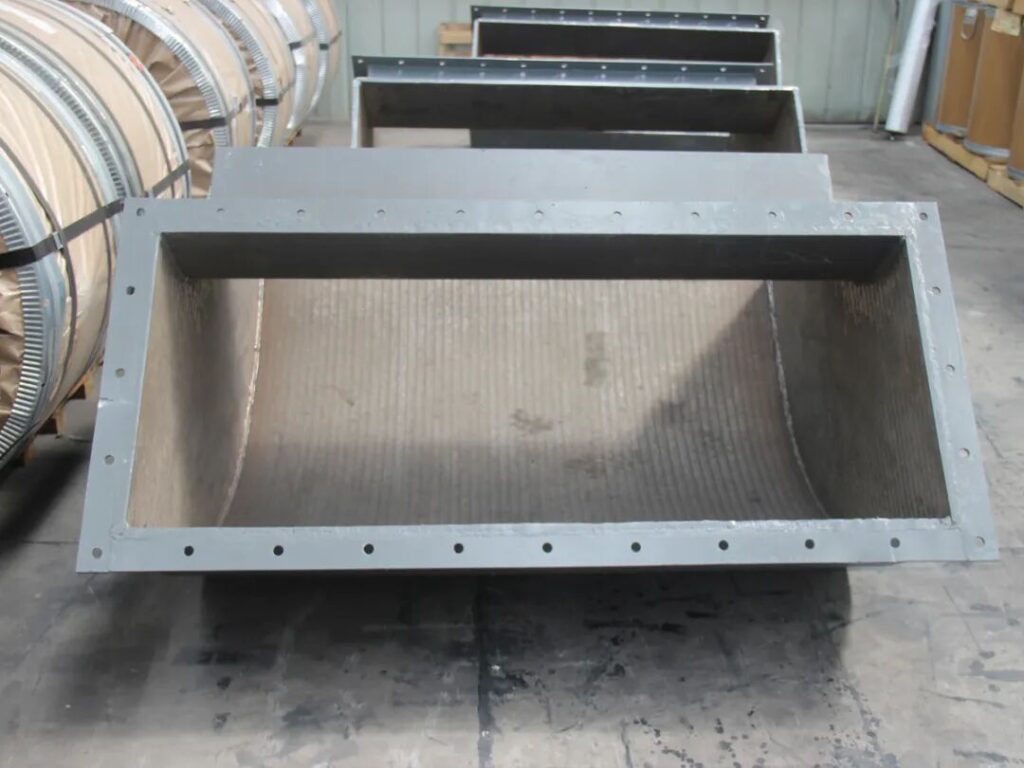
Cement Plant Wear Solutions: How Hardfacing Wear Plates Extend Equipment Life in Cement Production
Hardfacing Wear Plates for Cement Plants have become one of the most effective solutions for combating severe abrasion, impact, and erosion in modern cement production facilities. From dynamic c [...]07.22.2026 -
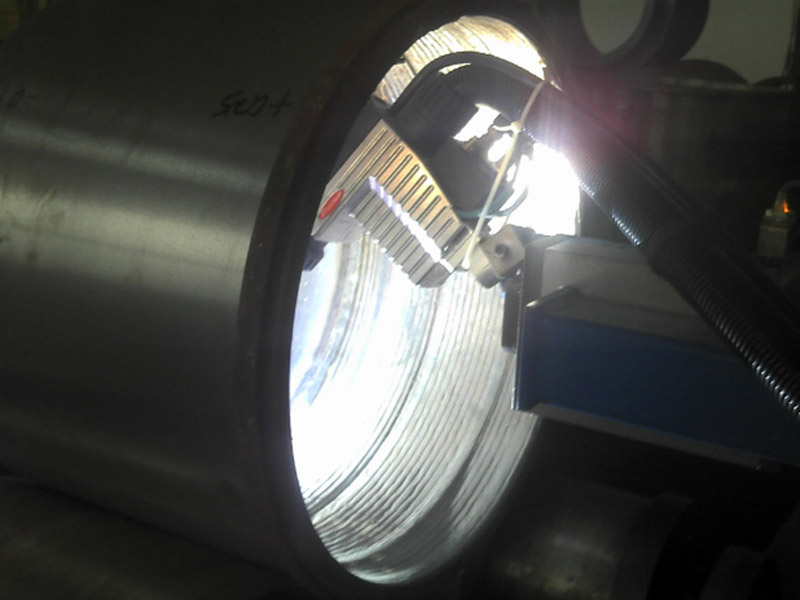
7 Common Welding Defects in Nickel Alloy Hardfacing and How to Prevent Them
Although Nickel alloy hardfacing defects can significantly reduce corrosion resistance and service life, most welding problems are preventable through proper process control. Understanding why d [...]07.15.2026 -
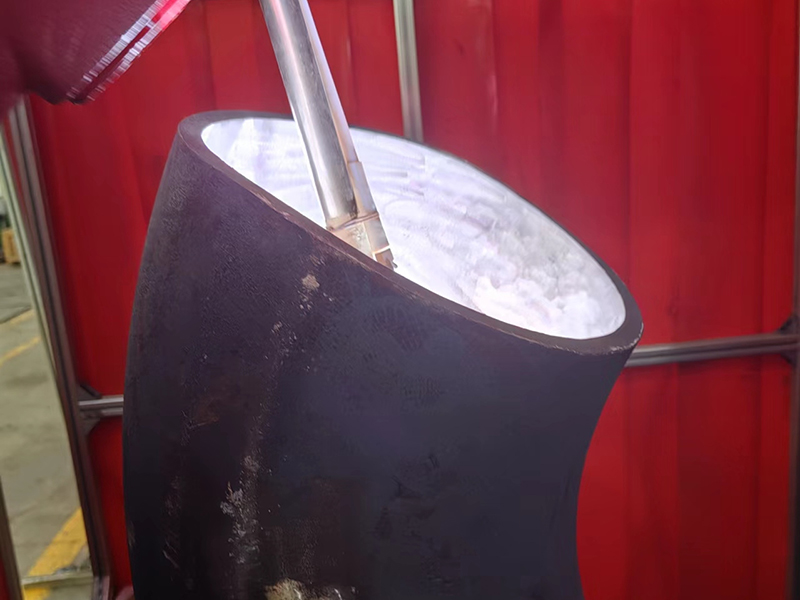
Nickel Alloy Hardfacing vs Stainless Steel Overlay: Which Solution Offers Better Long-Term Protection?
Choosing between Nickel Alloy Hardfacing vs Stainless Steel Overlay is a common challenge in industries such as oil & gas, petrochemical processing, offshore engineering, power generation, a [...]07.14.2026 -
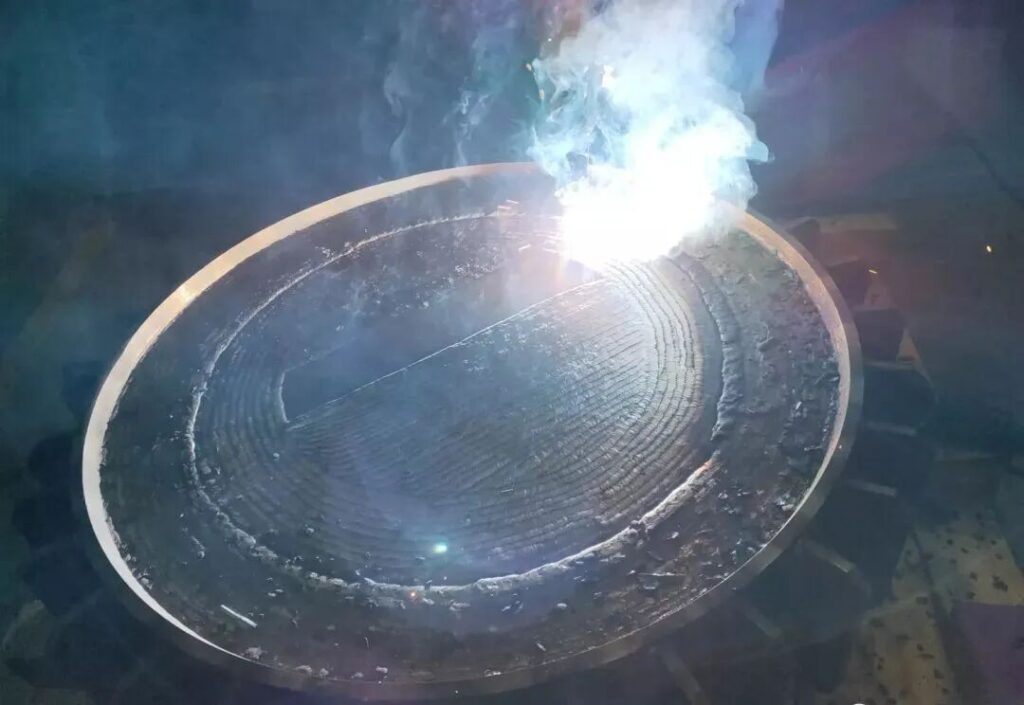
Nickel-Based Alloy Hardfacing Welding: Best Practices, Common Challenges, and Process Guide
Nickel-Based Alloy Hardfacing Welding has become one of the most reliable surface engineering technologies for equipment operating in corrosive, high-temperature, and severe wear environments. F [...]07.08.2026 -
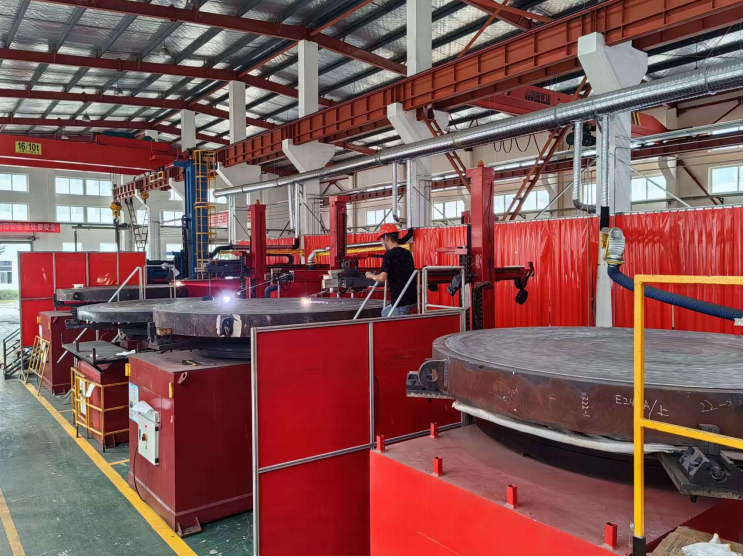
Best Alloy Materials Used in Industrial Hardfacing Applications: A Complete Guide for Wear Resistance and Equipment Life
Selecting the best alloy materials used in industrial hardfacing applications is one of the most important decisions in equipment remanufacturing and wear protection. Whether repairing mining to [...]06.30.2026 -
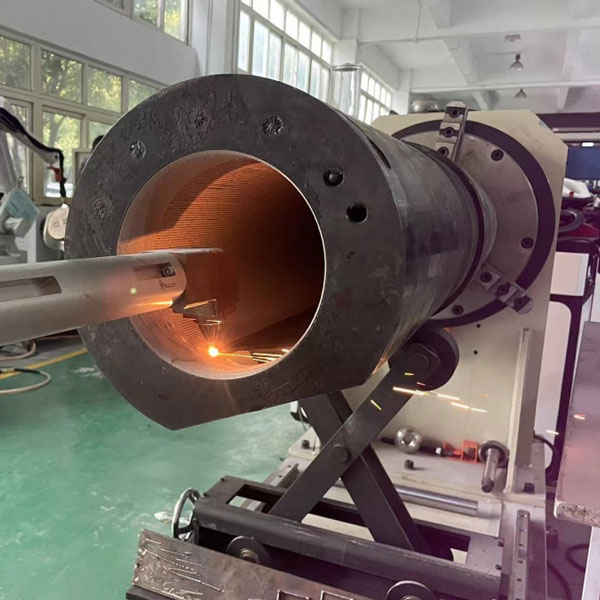
How Hardfacing Remanufacturing Reduces Equipment Replacement Costs: A Complete Guide for Industrial Asset Managers
Industrial companies are under constant pressure to lower maintenance expenses while maximizing equipment availability. One of the most effective strategies is understanding how hardfacing reman [...]06.29.2026 -
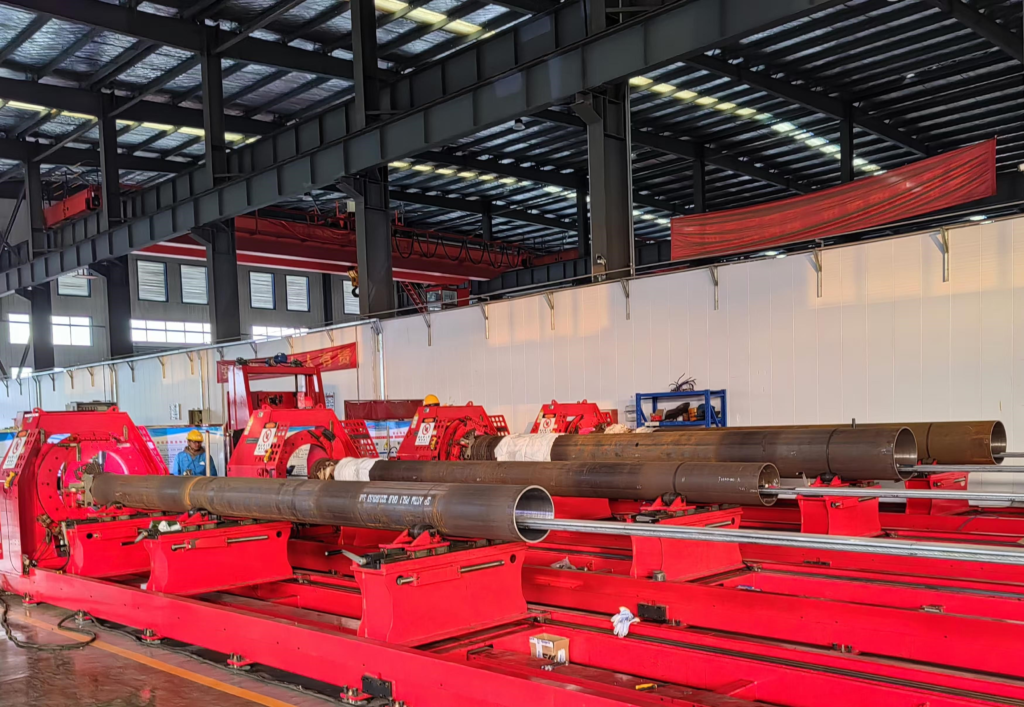
Plasma Cladding Process vs Traditional Hardfacing: Which Repair Method Delivers Better Performance?
When engineers evaluate the plasma cladding process vs traditional hardfacing, the decision affects much more than the repair itself. It influences equipment reliability, maintenance intervals, [...]06.26.2026 -
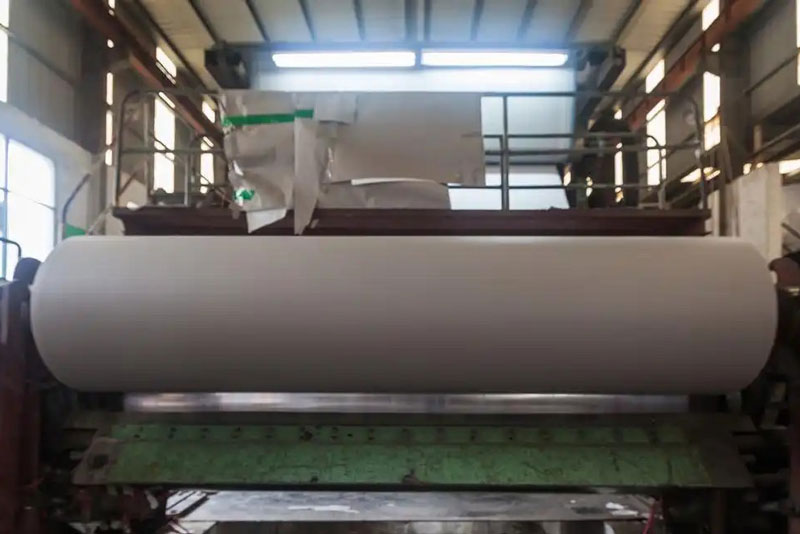
Hardfacing Remanufacturing Process: A Complete Guide to Industrial Component Restoration and Life Extension
The hardfacing remanufacturing process is one of the most effective technologies for restoring worn industrial components, improving surface performance, and extending equipment service life. In [...]06.25.2026 -
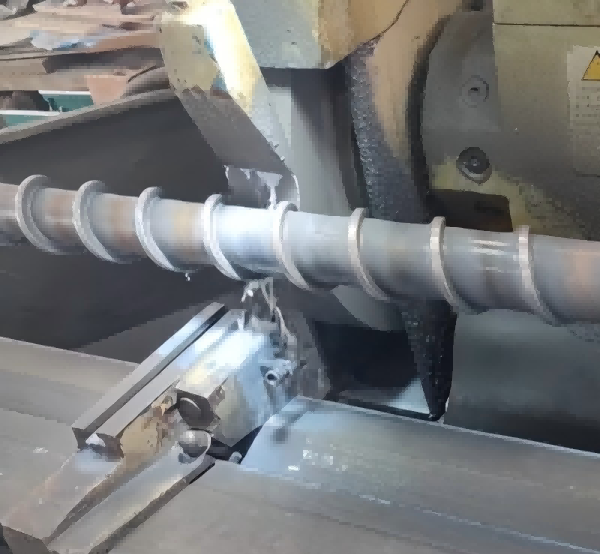
D60 Nickel-Based Powder for Screw Repair: A Cost-Effective Solution for Plastic Extruder and Injection Molding Screws
D60 nickel-based powder for screw repair is becoming an increasingly popular solution for manufacturers looking to restore worn plastic extrusion screws and injection molding screws while reduci [...]06.17.2026 -
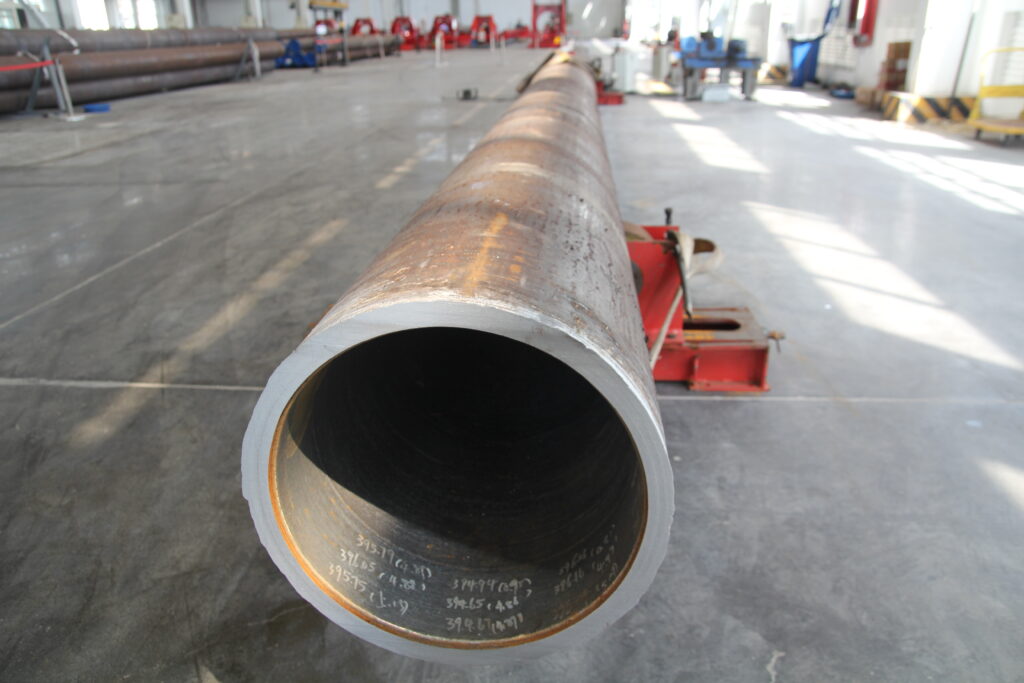
How Internal Bore Cladding Extends the Life of Oil & Gas Transmission Pipelines
Internal bore cladding is increasingly used to protect pipelines operating in harsh oil and gas environments. Corrosion often begins on internal surfaces where aggressive media continuously cont [...]06.16.2026 -
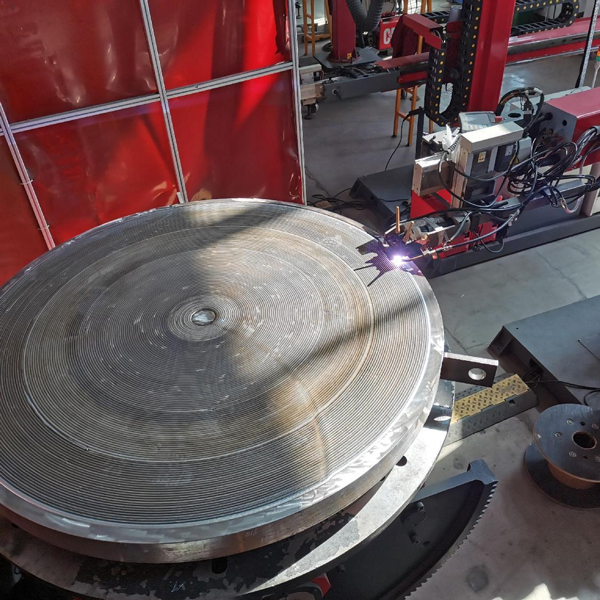
Inconel 625 Pipe End Cladding for Sour Service Pipelines: The Industry Standard for Corrosion Resistance
Inconel 625 pipe end cladding has become one of the most trusted corrosion protection methods for sour service pipelines transporting oil and gas containing hydrogen sulfide (H₂S). Pipeline weld [...]06.15.2026 -
CRA Cladding vs Internal Coating: Which Offers Better Pipeline Corrosion Protection?
When selecting a corrosion protection strategy for oil and gas pipelines, engineers often compare CRA cladding vs internal coating to determine the most reliable solution. Both methods are desig [...]06.11.2026 -
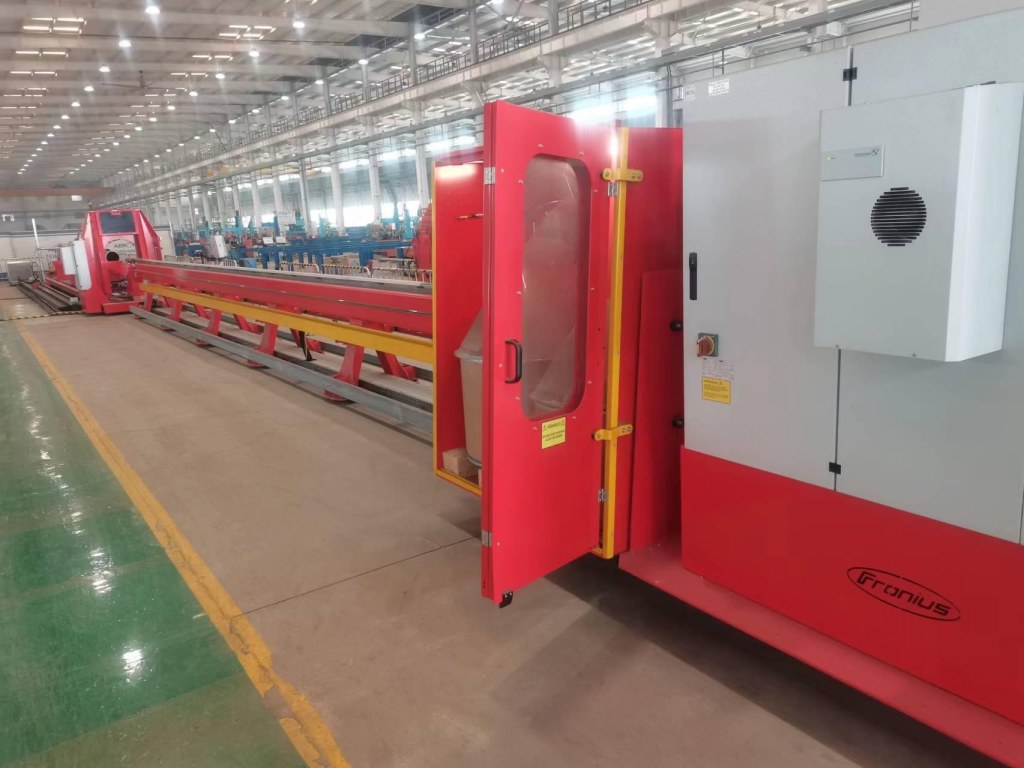
Pipe End Internal Cladding Technology: A Long-Term Corrosion Protection Solution for Pipeline Weld Joints
Pipe end internal cladding technology has become one of the most effective solutions for protecting critical weld areas in oil, gas, water, and chemical transmission pipelines. Although welding [...]06.10.2026