



Welding Materials Selection for High-Quality Pipeline Fabrication
Welding materials play a critical role in any welding process, directly influencing weld quality, joint strength, and long-term service performance. In pipeline manufacturing and installation, selecting the right welding materials is especially important to ensure safety, durability, and compliance with industry standards.
At FNS Pipeline Technology Co., Ltd., we work closely with global clients to provide reliable pipeline products and technical support, helping engineers and contractors choose suitable welding materials for different applications.
Understanding Different Types of Welding Materials
Welding materials can be broadly classified based on the base material being joined. Common welding materials include carbon steel, stainless steel, aluminum, magnesium alloys, and certain non-metallic materials such as plastics. Each material has unique physical and chemical properties, which directly affect welding methods and consumable selection.
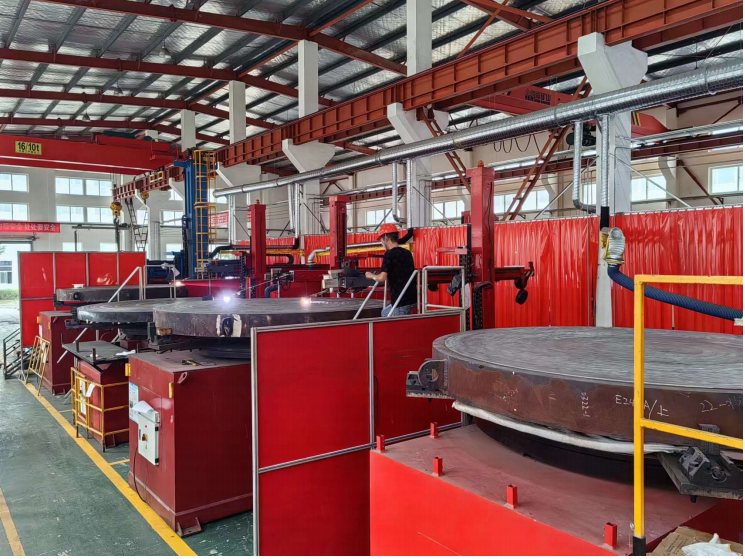
arc welding overlay
Welding Materials for Steel Pipelines
For carbon steel pipelines, carbon steel welding electrodes are the most widely used option. These electrodes offer stable electrical conductivity, good melting characteristics, and reliable mechanical performance, making them suitable for most standard pipeline projects.
However, in applications requiring higher strength, corrosion resistance, or operation in harsh environments, stainless steel welding materials or alloy steel consumables are often preferred. These materials provide improved resistance to oxidation, chemical attack, and high temperatures—critical factors in oil & gas, chemical, and industrial pipeline systems supplied by FNS Pipeline Technology Co., Ltd.
Welding Materials for Aluminum and Lightweight Metals
Aluminum and magnesium alloys are increasingly used in specialized pipeline systems due to their lightweight and corrosion-resistant properties. Because of their low melting points and high thermal conductivity, these materials are commonly welded using TIG (GTAW) welding with inert gas protection.
Pure aluminum or aluminum-silicon filler materials are typically selected, as they offer excellent compatibility with the base metal and ensure adequate strength and ductility in the welded joint.
Welding Materials for Plastic Pipelines
For non-metallic pipeline systems, such as plastic pipes, welding material selection depends heavily on the polymer type and service conditions. Common plastic welding methods include hot air welding, ultrasonic welding, and high-frequency vibration welding.
Matching filler materials or compatible adhesives are essential to achieve strong, leak-free joints. Improper material selection may result in weak bonds or premature failure under pressure or temperature variations.
Additional Factors in Welding Material Selection
Beyond the base and filler materials, several other factors influence welding performance:
- Shielding gases: Inert gases such as argon or active gases like CO₂ are selected based on the welding process and material type.
- Electrode coatings: Flux-coated or flux-cored electrodes may be required to improve arc stability, protect the molten pool, and enhance weld appearance.
- Operating conditions: Temperature, pressure, and welding speed must align with the selected welding consumables.
Practical Tips for Choosing Welding Materials
When selecting welding materials for pipeline projects, consider the following best practices:
- Define strength and corrosion resistance requirements based on service environment and standards.
- Match welding materials with the welding process and on-site operating conditions.
- Ensure material compatibility to prevent cracking, corrosion, or metallurgical defects.
- Balance cost and availability, especially for large-scale pipeline fabrication projects.
Why Choose FNS Pipeline Technology Co., Ltd.
With extensive experience in pipeline manufacturing and engineering support, FNS Pipeline Technology Co., Ltd. provides not only high-quality pipeline products but also professional guidance on welding materials and fabrication solutions. Our goal is to help customers achieve safe, efficient, and cost-effective pipeline systems worldwide.


