


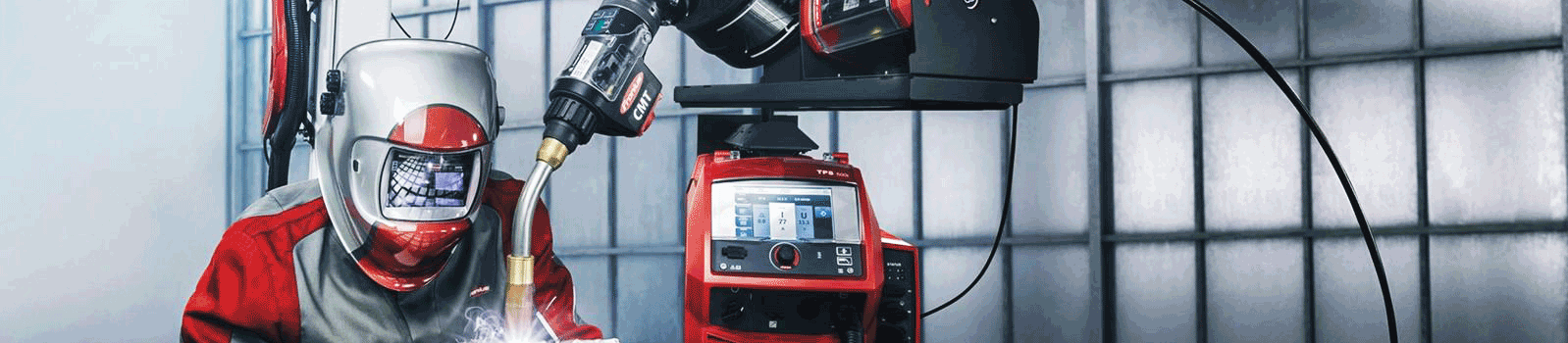
Causes and Prevention of Cracking in Plasma Transferred Arc (PTA) Alloy Powder Cladding
Cracking is one of the most critical quality challenges in plasma transferred arc (PTA) alloy powder cladding. If not properly controlled, cracks can compromise coating integrity, reduce service life, and increase maintenance costs. Based on extensive industrial experience, FNS Pipeline Technology Co., Ltd. summarizes the main causes of cracking and proven solutions to improve cladding reliability.
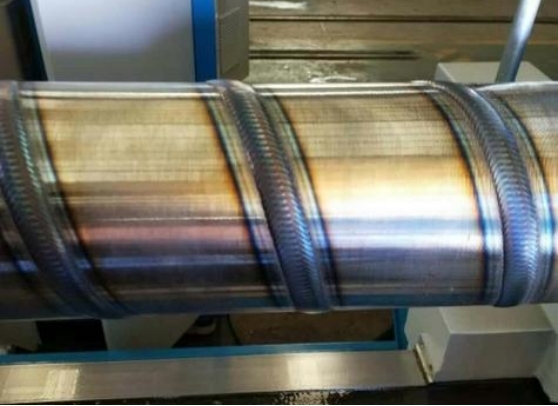
Plasma transferred arc cladding process with alloy powder
Common Causes of Cracks in PTA Alloy Powder Cladding
1. Excessive Temperature Gradient
During the PTA cladding process, alloy powder is rapidly heated by a high-temperature plasma arc, while the substrate remains relatively cool. This sharp temperature difference can cause rapid thermal expansion and contraction, generating thermal stress that leads to cracking in the cladding layer.
2. Incompatible Alloy Powder Composition
If the alloy powder composition does not match the base material, or if the powder contains harmful impurities, uneven thermal expansion and solidification behavior may occur. This mismatch increases the risk of metallurgical cracking, especially in high-hardness or carbide-reinforced coatings.
3. Residual Stress Accumulation
The repeated heating and cooling cycles inherent in PTA cladding inevitably generate residual stress at the interface between the cladding layer and the substrate. When residual stress exceeds the material’s tolerance, cracks may initiate and propagate within the coating.
4. Improper Process Parameters
Incorrect selection of key parameters-such as arc power, travel speed, powder feed rate, or preheating temperature—can result in excessive or uneven heat input. This instability significantly increases the likelihood of cracking during solidification.
Effective Solutions to Prevent Cracking
1. Optimize PTA Welding Parameters
By carefully adjusting plasma power, cladding speed, and preheating temperature, the temperature gradient between the alloy powder and substrate can be effectively controlled. Optimized parameters help minimize thermal shock and reduce crack formation.
2. Select Suitable Alloy Powders
Choosing alloy powders with compatible chemical composition and thermal expansion behavior is essential. At FNS, all PTA alloy powders undergo strict composition control and quality inspection to ensure stable weldability, low impurity content, and consistent performance.
3. Control Residual Stress Through Thermal Management
Appropriate preheating before cladding and controlled post-cladding heat treatment can significantly reduce residual stress. These measures help release internal stress and enhance the toughness of the cladding layer.
4. Implement Comprehensive Quality Inspection
After PTA cladding, thorough inspection is critical. Common methods include crack detection, metallographic examination, and non-destructive testing. These inspections ensure coating integrity and long-term reliability in demanding service conditions.
Reliable PTA Cladding Solutions from FNS
Preventing cracks in PTA alloy powder cladding requires a systematic approach that integrates process optimization, material selection, and strict quality control. With years of experience in surface engineering and industrial hardfacing, FNS Pipeline Technology Co., Ltd. provides tailored PTA cladding solutions that deliver consistent quality, extended service life, and reduced operational risk.
Our engineering team supports customers from powder selection to parameter optimization, ensuring stable, crack-free coatings for oil & gas, petrochemical, mining, and heavy machinery applications.


