


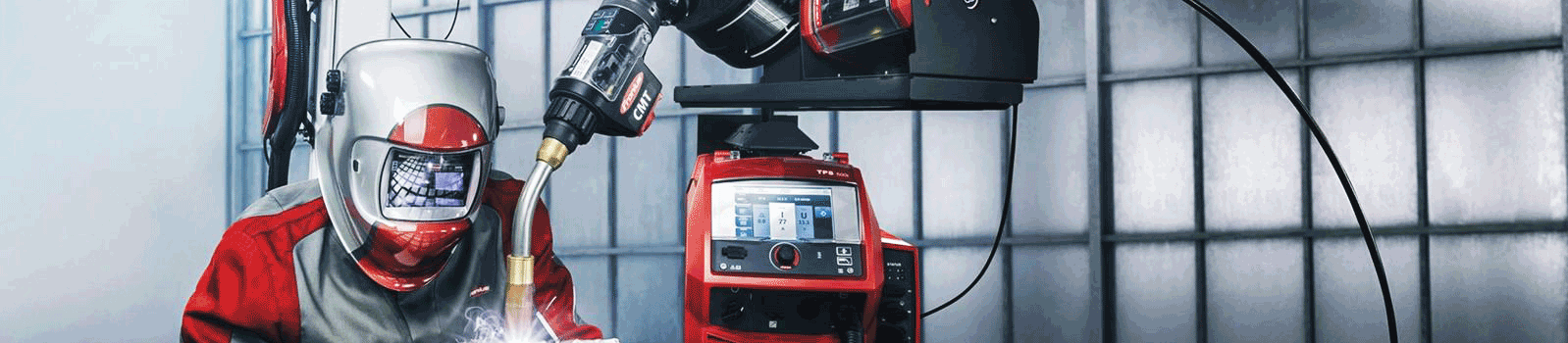
D60 Nickel-Based Powder for Screw Repair: A Cost-Effective Solution for Plastic Extruder and Injection Molding Screws
D60 nickel-based powder for screw repair is becoming an increasingly popular solution for manufacturers looking to restore worn plastic extrusion screws and injection molding screws while reducing maintenance costs. Instead of replacing expensive screws, many factories now use D60 nickel-based powder for screw repair to rebuild damaged surfaces, improve wear resistance, and extend equipment service life.
At FNS Pipeline Technology Co., Ltd., we provide advanced alloy powder solutions designed for screw refurbishment and wear-resistant coating applications. Our D60 alloy powder is specifically engineered for one-step spray welding processes, offering an efficient and economical alternative to complete screw replacement.
Why Do Plastic Processing Screws Wear Out?
In plastic extrusion and injection molding operations, screws are exposed to continuous friction, high temperatures, corrosive additives, and abrasive fillers.
Common failure modes include:
- Thread wear
- Surface scoring
- Corrosion damage
- Diameter reduction
- Reduced plasticizing efficiency
As wear progresses, product quality declines and energy consumption increases. Eventually, the screw can no longer maintain proper processing performance.
This is where D60 nickel-based powder for screw repair provides a practical and cost-effective solution.
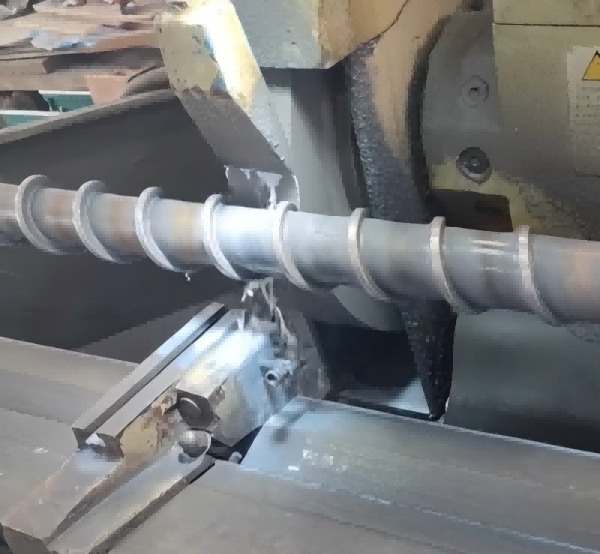
D60 nickel-based powder for screw repair on plastic extruder screw
What Is D60 Nickel-Based Powder?
D60 is a specially formulated nickel-based alloy powder developed for screw rebuilding and surface hardfacing applications.
Typical composition includes:
- Nickel (Ni): approximately 73%
- Iron (Fe): approximately 3.5%
- Wear-resistant alloy elements
- Self-fluxing components
The resulting coating combines excellent hardness, wear resistance, corrosion resistance, and bonding strength.
Unlike conventional repair methods, D60 nickel-based powder for screw repair supports a one-step spray welding process that simplifies production and improves efficiency.
One-Step Spray Welding Technology: Faster and More Efficient
Traditional hardfacing methods often require two separate steps:
- Powder spraying
- Remelting treatment
The D60 system combines both operations into a single process.
Using one spray torch, operators can simultaneously:
- Deposit alloy powder
- Complete remelting
- Form a dense metallurgical bond
Benefits include:
✔ Reduced processing time
✔ Lower labor requirements
✔ Improved coating consistency
✔ Higher production efficiency
✔ Better suitability for batch repair operations
For manufacturers handling large volumes of screw refurbishment, this technology significantly reduces downtime.
Key Performance Advantages of D60 Alloy Powder
Excellent Wear Resistance
The coating hardness can be adjusted within approximately 57–59 HRC, providing excellent protection against abrasive wear.
This makes D60 nickel-based powder for screw repair ideal for processing:
- Glass fiber reinforced plastics
- Engineering plastics
- Filled polymers
- Recycled materials
Strong Metallurgical Bonding
The coating forms a metallurgical bond with the base material rather than a simple mechanical attachment.
Advantages include:
- High adhesion strength
- Reduced risk of delamination
- Long-term durability
- Stable performance under heavy loads
Dense and Crack-Free Coating Structure
Advanced powder manufacturing technology ensures:
- Low impurity levels
- Uniform particle size
- Consistent melting behavior
The finished coating is:
- Dense
- Smooth
- Crack-free
- Porosity resistant
Wide Processing Window
One major advantage of D60 nickel-based powder for screw repair is its process tolerance.
The powder performs reliably across varying:
- Heat inputs
- Torch travel speeds
- Equipment power levels
This flexibility helps reduce common defects such as:
- Cracking
- Porosity
- Coating separation
- Incomplete fusion
Applications of D60 Nickel-Based Powder
Injection Molding Screws
Restore worn screw flights and improve resistance to abrasion and corrosion.
Plastic Extruder Screws
Rebuild damaged screw profiles and extend service life.
Twin-Screw Extruders
Enhance wear resistance under severe processing conditions.
New Screw Manufacturing
Apply a preventive wear-resistant layer before the screw enters service.
Many manufacturers now use D60 nickel-based powder for screw repair both for refurbishment projects and for new screw protection.
FNS Project Example
A plastics manufacturer operating multiple extrusion lines experienced rapid wear on screws processing glass-fiber-reinforced polymers.
Frequent screw replacement resulted in:
- High maintenance costs
- Production interruptions
- Product quality inconsistencies
FNS recommended a wear-resistant rebuilding program using D60 nickel-based alloy powder.
Results
- Significantly improved wear resistance
- Reduced screw replacement frequency
- Lower maintenance expenses
- Extended operational uptime
- Improved process stability
The project demonstrated the economic value of advanced hardfacing technology in modern plastic processing operations.
D60 Powder vs Hard Chrome Plating
| Comparison Item | D60 Nickel Alloy Powder | Hard Chrome Plating |
| Wear Resistance | Excellent | Moderate |
| Corrosion Resistance | Excellent | Good |
| Coating Thickness | Flexible | Limited |
| Bond Strength | Metallurgical Bond | Mechanical Bond |
| Crack Resistance | Excellent | Moderate |
| Service Life | Longer | Shorter |
| Environmental Impact | Lower | Higher |
For severe wear conditions, nickel-based hardfacing often provides a more durable long-term solution.
Why Choose FNS Pipeline Technology Co., Ltd.?
FNS specializes in:
- Plasma cladding technology
- Laser cladding solutions
- Wear-resistant alloy powders
- Internal bore cladding
- Industrial remanufacturing solutions
Our engineering team helps customers select the most suitable alloy systems based on operating conditions, wear mechanisms, and production requirements.
Related Articles
What Is Plasma Cladding Technology and How Does It Work?
Screw Repair vs New Screw Replacement: Which Is More Cost Effective?
Laser Cladding vs Plasma Cladding for Industrial Wear Parts
Best Wear Resistant Coatings for Plastic Processing Equipment
Frequently Asked Questions
What is D60 nickel-based powder used for?
It is primarily used for repairing and strengthening extrusion screws, injection molding screws, and other wear-prone components.
How hard is the D60 coating?
The coating hardness typically ranges from 57–59 HRC depending on processing parameters.
Can D60 powder repair severely worn screws?
Yes. It can rebuild worn surfaces and restore dimensional accuracy before final machining.
Is D60 suitable for new screw manufacturing?
Absolutely. Many manufacturers apply D60 coatings to new screws to improve wear resistance from the beginning.
What materials can be processed with D60-coated screws?
The coating performs well when processing engineering plastics, glass-filled materials, recycled polymers, and abrasive compounds.
How does D60 compare with hard chrome plating?
D60 offers stronger bonding, better wear resistance, and longer service life in demanding industrial environments.


