


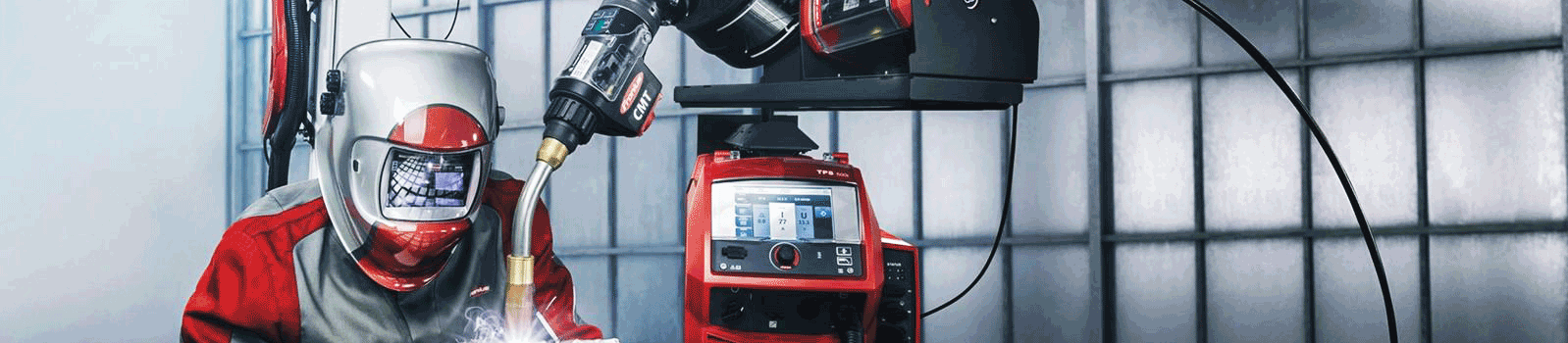
Overlay Welding for Crust Breaker Hammer: A Durable Solution for Aluminum Electrolysis Equipment
In aluminum electrolysis plants, crust breaker hammers play a crucial role in maintaining normal cell operation. These tools are used to break the hardened electrolyte crust on the surface of electrolytic cells.
However, the working environment is extremely harsh. The hammer head operates under high temperature, strong magnetic fields, high current, and corrosive electrolyte conditions. Continuous impact and chemical reactions gradually cause severe wear on the hammer surface.
To solve this issue, many smelting plants are adopting overlay welding for crust breaker hammer reinforcement as an effective remanufacturing solution. This technology belongs to advanced surface engineering processes similar to plasma cladding technology, which is widely used for improving wear resistance on industrial components.
Why Crust Breaker Hammers Wear Out Quickly
Traditional hammer heads are typically manufactured from ordinary carbon structural steel. This material is inexpensive and easy to weld, but its wear resistance is limited.
During aluminum electrolysis operations, several factors accelerate hammer damage:
- High temperature working environment
- Electrolyte corrosion and oxidation
- Strong mechanical impact during crust breaking
- Continuous abrasive wear from electrolyte materials
Because of these conditions, the typical lifespan of a conventional hammer head is around four months.
By applying overlay welding for aluminum smelter crust breaker hammer repair, the surface can be reinforced with high-performance alloy materials, greatly extending service life.
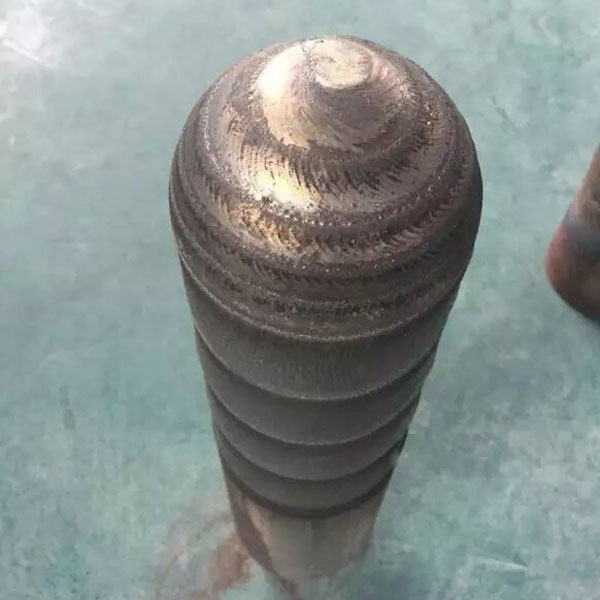
Overlay welding for crust breaker hammer surface reinforcement process
What Is Overlay Welding for Crust Breaker Hammer?
Overlay welding for aluminum smelter crust breaker hammer is a surface modification technology used to deposit wear-resistant alloy materials onto the hammer head surface.
The process involves melting alloy powder together with the base metal to form a metallurgical bond. After cooling, a durable protective layer is created that provides excellent resistance to wear, heat, and corrosion.
Typical process steps include:
- Surface cleaning and preparation
- Preheating the hammer head
- Alloy material overlay welding
- Controlled cooling
- Quality inspection
The resulting cladding layer is dense, uniform, and free of defects such as cracks, pores, or lack of fusion.
Key Advantages of Overlay Welding Technology
Applying overlay welding for aluminum smelter crust breaker hammer protection provides several significant benefits for aluminum electrolysis plants.
Extended Service Life
The wear-resistant cladding layer protects the hammer head from abrasion and impact, allowing the hammer to operate much longer than untreated tools.
Strong Metallurgical Bond
Unlike simple coatings, overlay welding for aluminum smelter crust breaker hammer reinforcement creates a metallurgical bond with the base metal, ensuring excellent adhesion and durability.
High Temperature Resistance
The alloy cladding layer maintains mechanical strength even under high-temperature electrolysis conditions.
Reduced Maintenance Costs
By using overlay welding for aluminum smelter crust breaker hammer refurbishment, companies can reduce replacement frequency and lower maintenance costs.
Improved Production Efficiency
Longer-lasting hammer heads help maintain stable aluminum electrolysis operations and reduce production interruptions.
These types of surface strengthening technologies are also applied in heavy industries such as TBM cutter tools cladding, where equipment must withstand extreme wear and impact.
Industrial Results and Performance Improvement
Field applications have shown that overlay welding for crust breaker hammer technology can significantly improve equipment performance.
After applying this surface reinforcement method:
- Hammer service life increased from less than 6 months to about 12 months
- Maintenance frequency was reduced
- Production downtime decreased
- Operational efficiency improved
For large aluminum smelting plants, implementing overlay welding for aluminum smelter crust breaker hammer repair solutions can generate substantial annual cost savings.
Why Surface Engineering Is the Future of Equipment Maintenance
As industries focus more on cost control and sustainability, remanufacturing technologies are becoming increasingly important.
Instead of replacing worn tools, overlay welding for crust breaker hammer strengthening allows companies to restore and upgrade existing components. This approach reduces material waste while improving performance.
FNS Pipeline Technology Co., Ltd. provides advanced surface engineering and remanufacturing solutions designed to extend equipment life and improve industrial productivity.
FAQ
What is overlay welding technology for crust breaker hammers?
Overlay welding technology for crust breaker hammers is a surface engineering process that applies wear-resistant alloy materials to hammer heads used in aluminum electrolysis equipment.
How much can service life be extended?
Industrial testing shows that overlay welding for crust breaker hammer reinforcement can extend service life from about 4–6 months to nearly 12 months.
Why is overlay welding better than replacing hammer heads?
Overlay welding reduces material waste, lowers equipment costs, and allows worn hammer heads to be restored with improved wear resistance.


