


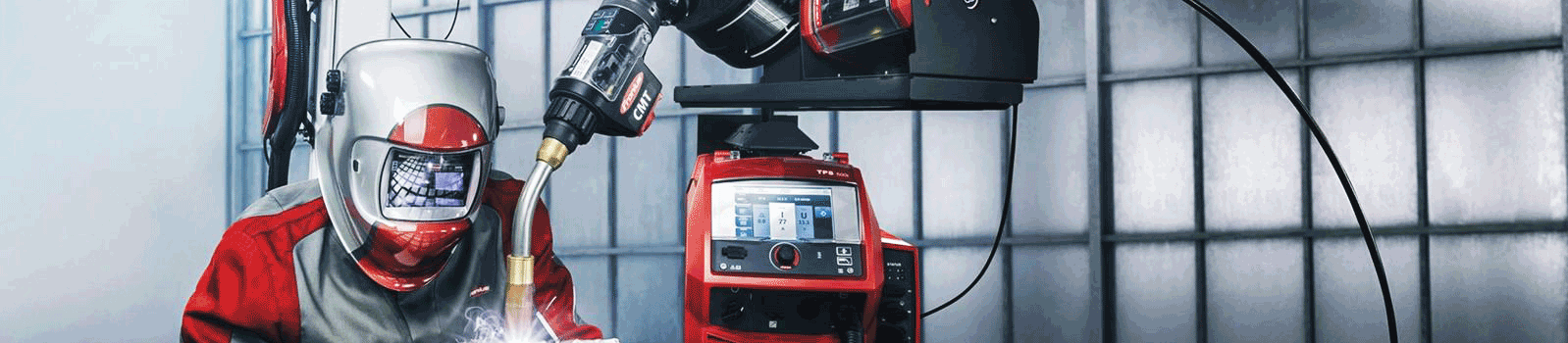
Pipe Bend Inner Wall Cladding: A Cost-Effective Solution for Wear and Corrosion Protection
Pipe bend inner wall cladding is widely used in oil & gas, chemical processing, power generation, mining, and other heavy industries where elbows and bends are exposed to erosion, abrasion, corrosion, and high-velocity media. At FNS Pipeline Technology Co., Ltd., we provide pipe bend inner wall cladding solutions that restore damaged components, improve service life, and reduce replacement costs and downtime.
Why Pipe Bends Fail?
Pipe bends experience more severe wear than straight sections because flowing media changes direction and creates concentrated impact zones on the inner radius. Typical failure mechanisms include:
- Abrasive wear: Caused by solids, slurry, ash, or mineral particles.
- Erosion-corrosion: Accelerated material loss due to the combined action of flow and corrosive media.
- High-temperature oxidation: In power, cement, and metallurgical applications.
- Localized thinning: Especially on the intrados (inner radius) of elbows.
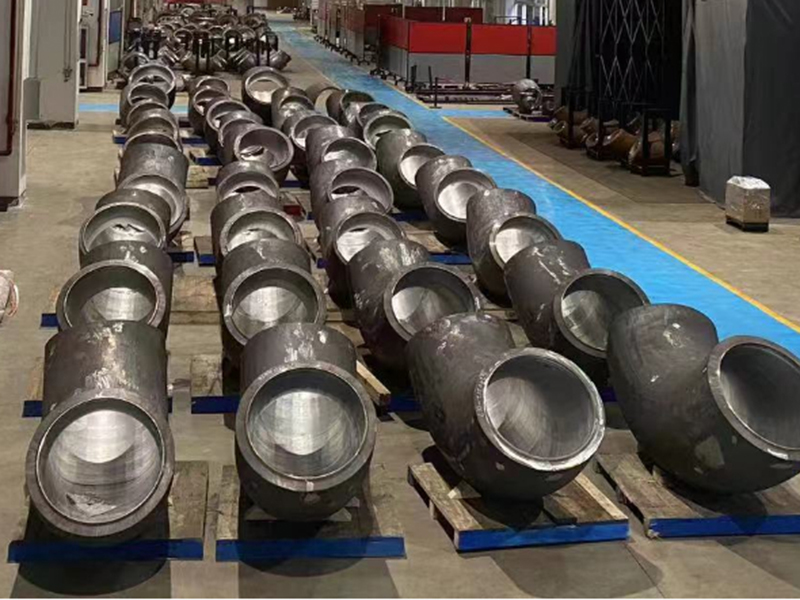
High-performance weld overlay elbow fittings manufactured by FNS
Advantages of Pipe Bend Inner Wall Cladding
- Excellent wear resistance: High-hardness alloy overlays significantly reduce abrasive damage.
- Strong corrosion resistance: Nickel-based and stainless overlays protect against aggressive chemicals and moisture.
- Metallurgical bonding: The cladding layer is fused to the base metal rather than simply coated, providing high adhesion strength.
- Reduced downtime: Damaged bends can often be repaired in place or remanufactured without replacing the entire pipeline section.
- Lower lifecycle cost: Extended service intervals reduce maintenance and replacement expenses.
Typical Cladding Materials
| Material | Typical Application |
| Nickel-based alloys (Ni60, NiCrBSi) | Corrosion + wear resistance |
| Cobalt-based alloys (Stellite type) | High temperature and severe wear |
| WC-reinforced composites | Extreme abrasion resistance |
| Stainless steel overlays (304L, 316L) | Corrosion protection |
| Iron-based wear-resistant alloys | Cost-effective abrasion protection |
FNS Pipe Bend Inner Wall Cladding Process
Typical process flow:
- Inspection and assessment: Measure wall thickness, identify wear zones, and determine repair scope.
- Surface preparation: Remove corrosion products, scale, oil, and damaged material by grinding, machining, or blasting.
- Preheating (if required): Applied according to base material and alloy selection.
- Inner wall cladding: Use PTA/plasma cladding or other suitable overlay processes to deposit a wear- and corrosion-resistant layer on the bend interior.
- Post-processing: Grinding or machining to achieve the required surface finish and flow profile.
- Quality inspection: Visual inspection, PT/UT testing, thickness verification, and dimensional checks.
Where It Is Used
- Oil & gas production and gathering pipelines
- Chemical process piping
- Coal slurry and ash transport systems
- Power plant boiler and flue gas systems
- Cement and mineral processing pipelines
- Water treatment and abrasive slurry handling
FNS Project Example
A customer operating abrasive slurry lines experienced frequent elbow failures every few months. FNS applied pipe bend inner wall cladding using a wear-resistant alloy overlay. The refurbished bends achieved substantially longer service life, reduced shutdown frequency, and lowered total maintenance costs compared with repeated bend replacement.
Why Choose FNS Pipeline Technology Co., Ltd.
- Experience in pipeline wear protection and remanufacturing
- Plasma cladding and laser cladding capabilities
- Custom alloy selection based on actual operating conditions
- Quality inspection and process control
- Solutions for both new components and worn pipeline bends
Frequently Asked Questions:
What is pipe bend inner wall cladding?
It is a process that deposits a wear-resistant or corrosion-resistant alloy layer on the inner surface of a pipe bend or elbow to protect the base metal and extend service life.
How long can a cladded bend last?
Service life depends on media, temperature, velocity, and alloy selection. In abrasive applications, a properly cladded bend often lasts significantly longer than an untreated bend.
Can existing worn bends be repaired?
Yes. Many worn bends can be remanufactured using pipe bend inner wall cladding, avoiding full replacement.
What is the difference between cladding and coating?
Cladding forms a metallurgical bond with the substrate, while many coatings rely primarily on mechanical adhesion. Cladding generally offers higher bond strength and durability in severe service.
Which process is better: plasma cladding or laser cladding?
Both are effective. Plasma cladding is often economical for thicker overlays, while laser cladding offers lower dilution and excellent precision. FNS selects the process based on the application requirements.


