


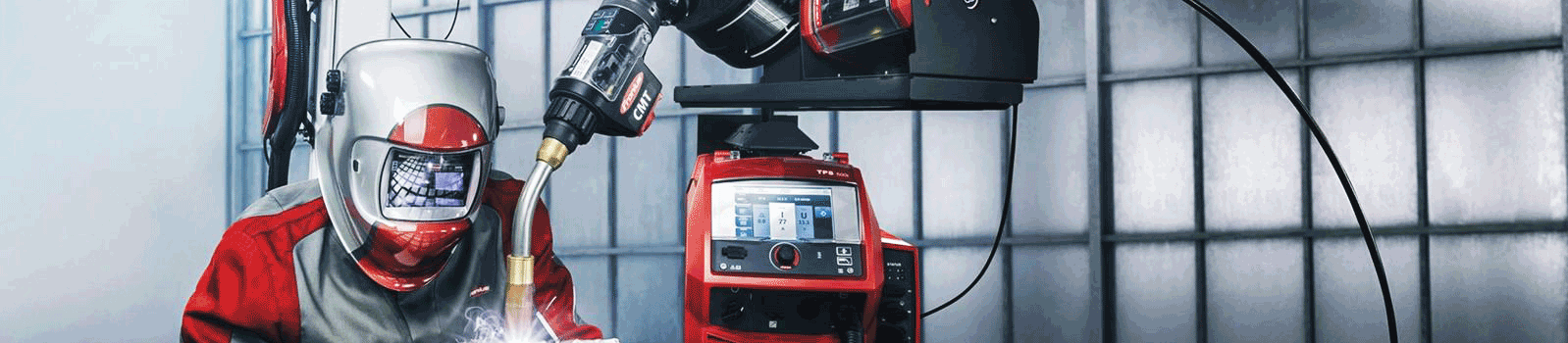
Screw Hardfacing Repair: Extending Equipment Life and Ensuring Stable Production
In many industrial sectors, the screw is a core component responsible for material conveying, extrusion, mixing, and pressure build-up. Over long-term operation, screws endure heavy loads, abrasion, and chemical exposure. Once the surface begins to wear, equipment performance declines, energy consumption increases, and even unplanned shutdowns may occur.
To address these challenges, screw hardfacing repair-particularly using plasma transferred arc (PTA) welding-has become an efficient and reliable method to restore worn screws and significantly extend equipment life. As a professional provider of surface-engineering solutions, FNS Pipeline Technology Co., Ltd. offers advanced hardfacing services that help customers maintain stable production while reducing maintenance costs.
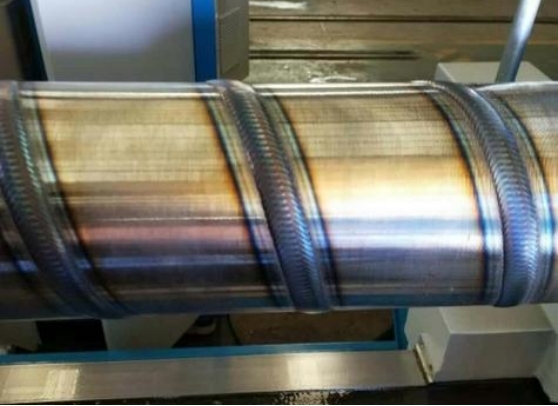
PTA Cladding
Principle and Process of Screw Hardfacing Repair
Plasma hardfacing (PTA welding) applies a wear-resistant and corrosion-resistant alloy layer onto the screw surface, creating a dense, metallurgically bonded protective coating. This coating not only rebuilds worn geometry but also dramatically improves durability.
A typical screw hardfacing process includes:
1. Assessment and Preparation
The screw is thoroughly inspected to evaluate wear depth and determine the required repair scope. Cleaning, rust removal, and degreasing ensure a clean welding surface.
2. Selection of Alloy Material
Depending on the working environment-such as abrasion, corrosion, or high-temperature exposure—FNS engineers choose appropriate alloy powders to achieve optimal performance and longevity.
3. Plasma Hardfacing (PTA Welding)
Using high-precision PTA welding, alloy powder is fused onto the surface layer by layer. The resulting coating has high hardness, excellent bonding strength, and superior resistance to wear and corrosion.
4. Machining and Quality Inspection
After welding, the screw is machined back to its required geometry to ensure dimensional accuracy. Comprehensive testing confirms coating adhesion, hardness, and surface quality.
Advantages of Screw Hardfacing Repair
1. Extended Service Life
The protective layer significantly delays wear, enabling the screw to withstand long-term mechanical and chemical stress.
2. Improved Efficiency and Stability
A restored screw with improved surface properties enhances equipment performance, ensuring stable and efficient production.
3. Lower Maintenance Costs
Compared with replacing a new screw, hardfacing repair offers substantial economic benefits, maximizing equipment value and reducing waste.
Screw hardfacing repair is widely used across industries such as mining, metallurgy, petrochemical, power generation, plastics processing, and environmental engineering, making it a vital technology for modern industrial maintenance.
Why Choose FNS Pipeline Technology
FNS provides high-precision plasma hardfacing solutions backed by:
- Advanced PTA welding systems
- Strict material selection and alloy control
- Accurate machining capabilities
- Comprehensive inspection and testing
- Decades of surface-engineering expertise
Our goal is to help customers extend equipment lifespan, enhance production stability, and reduce total operating costs through dependable, high-performance repair services.
Screw hardfacing repair is an effective, sustainable, and cost-efficient solution for restoring worn industrial screws. Through precise plasma hardfacing technology, FNS Pipeline Technology Co., Ltd. delivers durable wear-resistant coatings that enhance equipment performance, support long-term operation, and create measurable economic and environmental benefits.


