


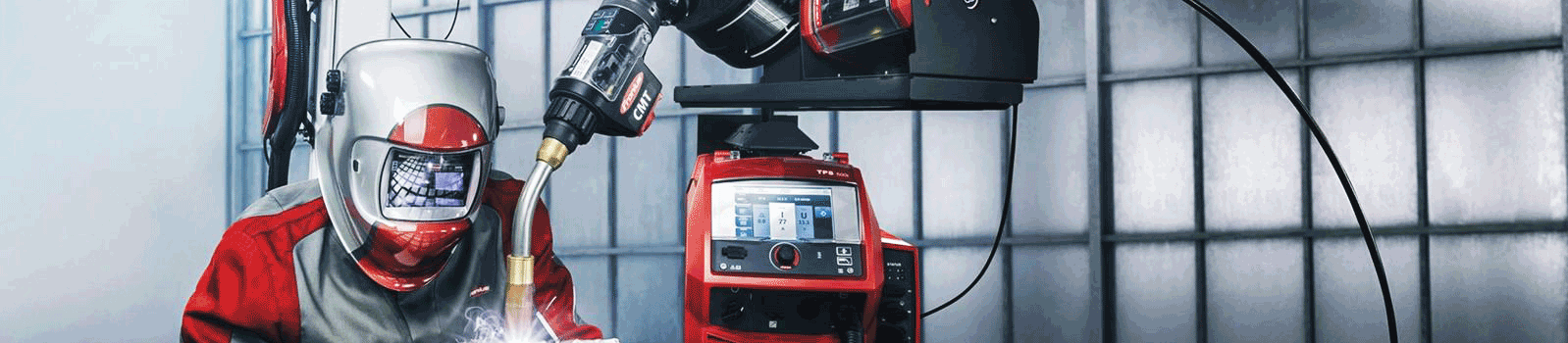
How to Extend Mining Tool Life by 300% with Advanced Hardfacing Technology
If you want to extend mining tool life by 300%, surface engineering is no longer optional—it’s essential. At FNS Pipeline Technology Co., Ltd., advanced cladding technologies are helping clients dramatically reduce wear-related failures.
Why Tools Fail So Quickly
- Abrasion from rock and sand
- Impact loading
- Thermal fatigue
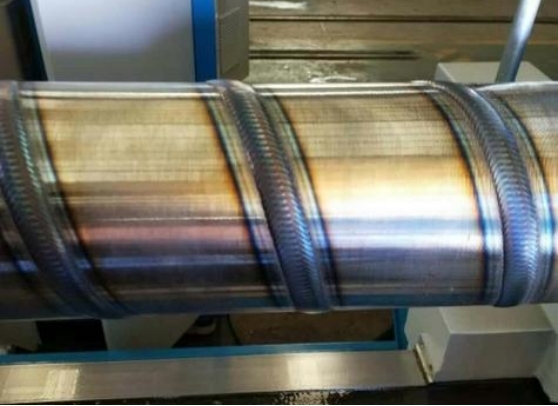
Plasma transferred arc cladding process with alloy powder
Key Technologies
1. Diamond Hardfacing
Best for extreme wear
2. Tungsten Carbide Coating
Balanced wear + toughness
3. Plasma Cladding
Strong metallurgical bonding
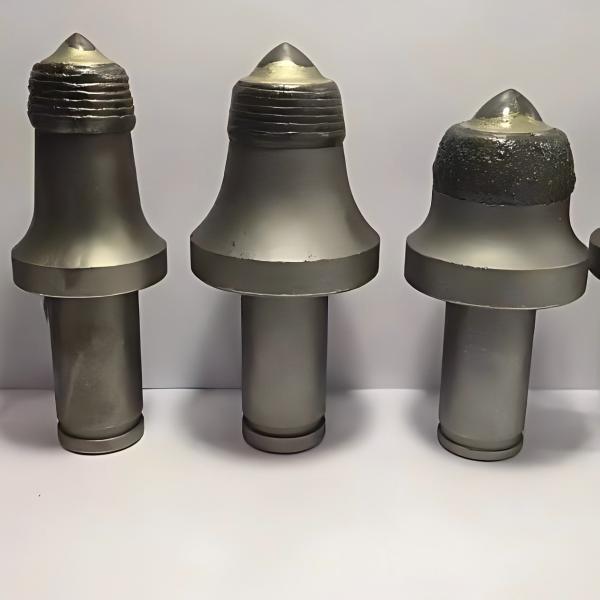
Wear resistant diamond hardfacing layer on cutting tools
4-Step Strategy
Step 1: Analyze Wear Type
Step 2: Select Material
Step 3: Apply Coating
Step 4: Optimize Thickness
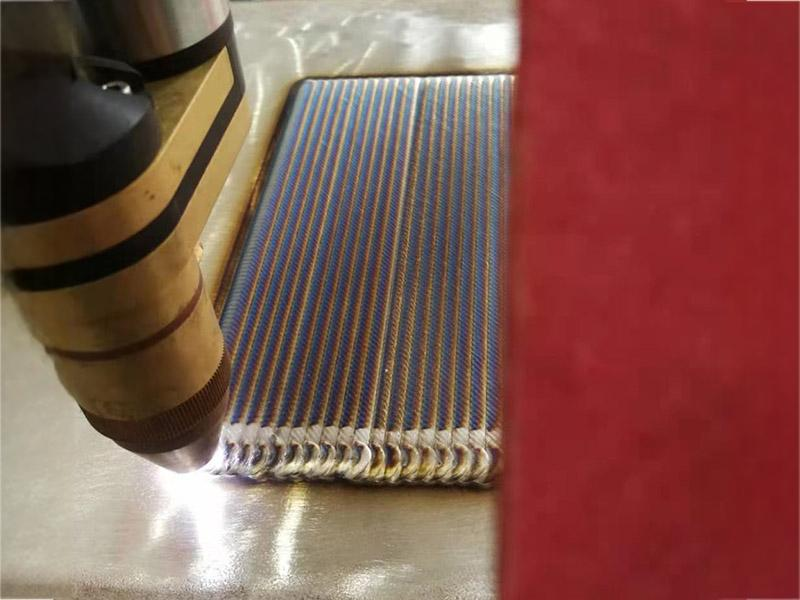
Tungsten Carbide Cladding
FNS Case Study
Equipment: Roadheader picks
Before:
- Lifespan: 120 hours
After:
- Lifespan: 360+ hours
👉 Successfully extend mining tool life by 300%
Cost Advantage
- Fewer replacements
- Less downtime
- Higher productivity
FAQ
Q1: Is it really possible to extend mining tool life by 300%?
Yes, with proper material selection and advanced coating technologies, many operations successfully extend mining tool life by 200–300%.
Q2: What is the fastest way to improve tool life?
Applying wear-resistant coatings such as diamond or tungsten carbide is one of the fastest and most effective methods.
Q3: Which coating gives the longest lifespan?
Diamond coatings typically provide the longest lifespan in abrasive conditions, while tungsten carbide performs better in mixed environments.
Q4: How does plasma cladding improve tool life?
Plasma cladding creates a strong metallurgical bond, improving coating durability and resistance to wear.
Q5: What industries benefit most from hardfacing?
Mining, tunneling, oil & gas, and construction industries benefit significantly from wear-resistant coatings.
Q6: Does hardfacing reduce downtime?
Yes. By increasing tool lifespan, hardfacing significantly reduces replacement frequency and downtime.
Q7: What factors affect tool wear the most?
Key factors include abrasion, impact load, temperature, and corrosive environments.
Q8: Is laser cladding better than traditional methods?
Laser cladding offers precise control, low dilution, and high bonding strength.


